In a time where consumer preferences are advancing rapidly the market for alcohol-free spirits has seen a significant shift. There are two countries in the world: EU and UK are known for their extensive traditions in alcohol-based drinks, are now witnessing an increase in demand for alcohol-free alternatives. To navigate this evolving landscape successfully, businesses need to understand the intricacies of market segmentation. The first instalment to our series we’ll delve into the fundamentals of why market segmentation matters and how it can be used when it comes to alcohol-free spirits.
What is the reason? Market Segmentation Is Important
Market segmentation is the method of breaking up a larger market into smaller easier to manage segments according to specific characteristics, preferences, and behaviors. It is a strategic instrument to help businesses make their product and marketing efforts to satisfy the specific demands of each segment. Market segmentation is a crucial factor:
-
The Targeted Marketing Method: Through the identification of distinct different consumer groups in the market, businesses can create targeted marketing campaigns that align with the particular preferences and needs of each segment. This leads to more efficient marketing strategies and better conversion rates.
-
Products Customization Knowing the different segments of markets allows companies to create products that satisfy the preferences and demands of different groups. This improves the customer’s satisfaction but also creates brand loyalty.
-
Utilization of Resources: It helps to distribute resources efficiently. Instead of implementing a universal approach, companies should concentrate their efforts on segments that have the highest potential to grow and profit.
-
Competitive Advantage: The companies who are successful in segmenting their markets gain a advantage in competition. They are able to identify gaps in the marketplace, devise unique value propositions, as well as differentiate themselves from competitors.
-
Customer Retention: Specific marketing and products improve customer satisfaction, which, in turn increases the rate of retention for customers. More loyal customers are more likely to be advocates for your brand.
Market for Alcohol-Free Spirits in EU and UK
Different types of alcohol-free spirits
Before tackling market segmentation, it’s essential to be aware of the alcohol-free spirit environment in the EU and UK. The market has seen incredible growth, and an ever increasing amount of alcohol-free spirit choices readily available. The most well-known categories are:
-
Alcohol-Free Gins: Produced specifically to capture original botanical flavor of traditional Gin, alcohol free gins give the same taste and aroma, however without any alcohol. They are sought-after for their ability to be used in cocktails as well in standalone drinks.
-
Alcohol-Free Whiskeys: Alcohol-free whiskeys seek to reproduce the rich and smoky flavours of traditional whiskey. They are perfect for those who love the flavor of whiskey, but choose to stay away from alcohol.
-
Alcohol-Free Vodkas: Alcohol-free vodkas have the fresh and clean flavor of traditional vodka with no alcohol. They are commonly used in mixed drinks and mocktails.
-
Alcohol-Free Rums: Rums that are not alcoholic capture the sweet and complex taste of traditional rums, which makes them a vital ingredient in beverages that are alcohol-free.
-
Tequilas that are alcohol-free: These alternatives preserve the earthy and agave notes that are typically found in tequilas of the past, providing a delicious base for alcohol-free margaritas and other cocktails.
The variety of alcohol-free spirits showcases the industry’s dedication to providing a wide range of tastes and preferences. As the demand for these drinks continues to grow, knowing how to segment markets becomes increasingly important for businesses who want to flourish in this ever-changing market.
In the coming section, we’ll examine how the consumer’s preferences play an integral influence on the alcohol-free spirit market segmentation. It will help us understand the reasons that lead people to choose alcohol-free options. Let’s begin this exciting process of understanding market dynamics in EU and UK alcohol-free spirit market.
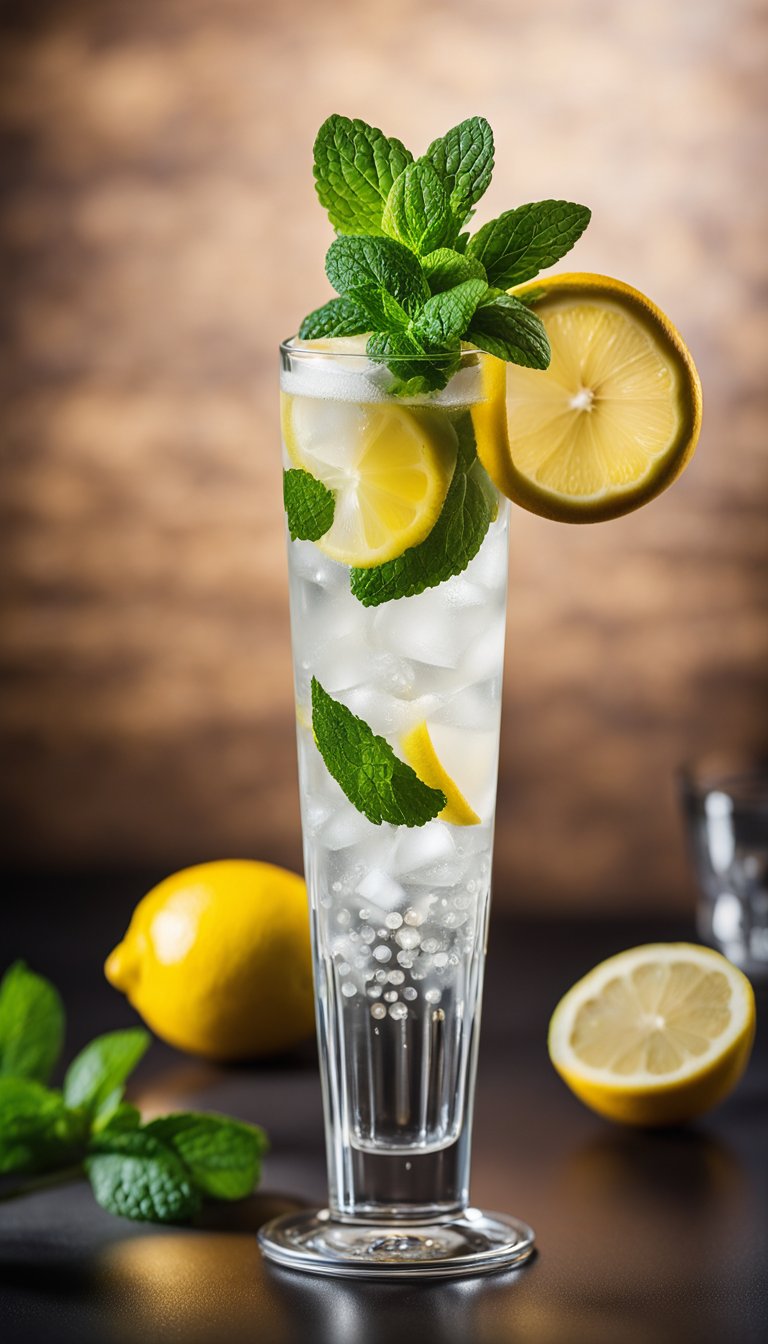
Lead with Quality: Secure Your Direct Order of Premium Non-Alcoholic Spirits from Swedish Distillers!
Understanding Consumer Preferences and the EU and the UK Alcohol-Free Spirit Market
In our previous segment we looked at the basics of segmentation of markets in the flourishing EU as well as the UK drinks market, which is alcohol-free. The next part of our series delves into fundamentals of the subject: consumer preferences. Understanding the reasons that lead consumers to go for spirits that are alcohol-free is essential in order for businesses to make their place in this evolving market. Let’s get started on this voyage of discovery.
The Evolving Consumer Landscape
The preferences of consumers are at the heart of every market, and the market for spirits that are alcohol-free is no different. These factors provide insight into the changing market for consumers:
Healthy and Wellbeing Trends
One of the biggest reasons behind the alcohol-free spirit market is the rising global trend towards wellness and health. Consumers are becoming more aware of their health looking for products that are in line to their needs for well-balanced lifestyles. Alcohol-free spirits are a great option for those who wish to enjoy the flavours and social aspect of drinking but without any negative health repercussions associated with alcohol.
Millennial Influence
Millennials, born between the years 1981 to 1996, are a dominant force in shaping consumer trends. Generation Y is more concerned with experiences rather than possessions, and is more likely to research new and healthier alternatives, including alcohol-free spirits. They are also a key generation for businesses to market to.
Social Responsibility
Consumers, especially the younger ones are increasingly responsible in their shopping choices. They choose brands that are ethical, sustainable, and socially conscious. Spirits producers that do not contain alcohol and promote sustainable practices and sustainable production typically resonate with consumers.
Flavor Variety
The alcohol-free spirit market has embraced consumer demand in a variety flavors. There are many options available, including a botanical-infused gin, a smoky alcohol-free whiskey, or a tropical alcohol-free rum The wide variety of flavors that are available caters to a variety of taste preferences. This selection is attractive to people who want an element of novelty and excitement in their drinks.
Abstain from alcohol Reduction and Abstinence
For those who wish to reduce their consumption of alcohol, or for those who have decided to avoid the consumption of alcohol drinking alcohol-free spirits can be an appealing alternative. They let people take part in social gatherings and have fun making drinks without the side effects of alcohol.
Essential Considerations for Market Segmentation
Knowing the preferences of consumers is crucial to segmenting markets. So as to be able to properly segment to effectively segment the EU and UK spirits that are alcohol-free, companies must take into consideration the following points:
Demographics
Demographic aspects like age gender, income and even location play a crucial role in determining the tastes of consumers. Younger consumers, for example could be more likely to experiment with flavors and new flavours, while older consumers may prefer health benefits.
Lifestyle
The lifestyle of the consumer greatly influences their choices. Individuals who are active may be looking for energy-boosting or low-calorie alcohol-free options, while others could be interested in alcohol-free spirits for relaxing nights at home.
Special occasions
Certain occasions require different beverages. Companies must consider how customers use alcohol-free spirits – whether for social gatherings, celebrations, or personal relaxation – and alter their marketing strategies for the event.
Taste Preferences
Flavor profiles matter. Some people like Gin’s notes that are botanical, and others prefer the smoky richness of whiskey. Segmenting market segments based on personal preferences lets businesses create niches that are targeted.
Values and Ethical Concerns
Customers are increasingly inclined to choose brands that resonate with their values. Companies that emphasize ethical sourcing sustainable practices, sustainability, as well as responsible production can connect with those who value social responsibility.
By taking these variables into consideration, businesses are able to design targeted marketing campaigns, develop products that cater to specific needs of consumers in addition to establishing a strong position in both the EU and UK spirit market, which is alcohol-free.
In the next part we’ll go into the business landscape, exploring the key players and strategies that are shaping the future of this industry. Be sure to check back for information on how to get noticed in this lucrative market.
Designing a Successful Strategy for your EU as well as the UK market for alcohol-free spirits
Welcome to the third part of our look at the EU and UK spirits market that are alcohol-free. In the previous sections we examined segments of the market and consumer preferences uncovering the ambiguous landscape that companies must navigate. Now, it’s time for us to determine how to create an effective strategy within the booming industry.
Understanding the Competitive Landscape
Before tackling the strategy development it’s essential to comprehend the competitive landscape. The market for alcohol-free spirits is competitive and vibrant, and there are many players who are competing for consumers’ attention. Here are some details about the current state of competition:
Market Growth
The market for alcohol-free spirits is growing exponentially, with new brands entering the market frequently. As demand for alcohol continues to rise, competition will increase and it is essential for companies to stand out.
Established Players
A number of established companies dominate the market with their high brand recognition and loyalty. They set the bar in quality and taste which makes it difficult for newcomers, especially those who are just starting out, to break the.
Niche Players
Niche players have found success by catering to particular consumer segments or offering unique flavour profiles. They usually succeed because they are meeting unmet requirements in the market.
Crafting Your Unique Selling Proposition (USP)
To make a mark in the market, businesses must develop a convincing Unique Selling Proposition (USP). Your USP is the thing that differentiates you and allows consumers to select your alcohol-free spirits over other brands. Here are some strategies to think about:
Flavor Innovation
In a market with a wide range of taste preferences, innovative flavor profiles can become a game changer. Try out unique botanicals, extraction techniques, and other natural extracts that can create unique options.
Health and Wellness Focus
With the growing trend of health-conscious consumers, emphasizing the health benefits of spirits that are alcohol-free can be a powerful USP. You can highlight sugar-free, low-calorie and natural ingredient attributes.
Sustainability and Ethics
The majority of consumers prefer brands that are committed to sustainable, ethically sourced products, and a responsible production. Showcase your commitment to these principles in your packaging and marketing.
Marketing and branding
Effective marketing and branding is crucial. Make sure your brand’s identity appeals to your target audience and tells an engaging story. Choose eye-catching packaging that communicates your company’s values.
Collaborations and Partnerships
Work with influencers, bars restaurant owners, and even event organizers to increase your reach. Strategic partnerships can introduce your product to a larger crowd.
Directed Marketing and Consumer Education
After you’ve identified your USP Now it’s time to get serious about marketing and education. Here’s how:
Digital Marketing
Use the power of internet-based marketing to reach out to your intended market. It is important to invest in search engines optimization (SEO) so that your website ranks well in search results. Use social media to engage with your audience and promote products.
Content Creation
Create useful content that informs consumers about the benefits as well as range of alcohol-free spirit. Blog posts, videos, and infographics can help people discover how they can incorporate your products into their lifestyles.
Tasting Events
Organize tasting events at places like restaurants, bars, and festival that are alcohol-free. Allowing customers to experience your spirit firsthand is a powerful sales technique.
Customer Support
Offer excellent customer support for inquiries and to build trust. Customer service that is prompt and well-informed can convert potential customers into loyal customers.
In our next segment, we’ll delve into distribution channels and how you can effectively get your product in the customers’ hands. Keep watching for tips on growing your market share and making your alcohol-free spirits open to a wider consumer base.
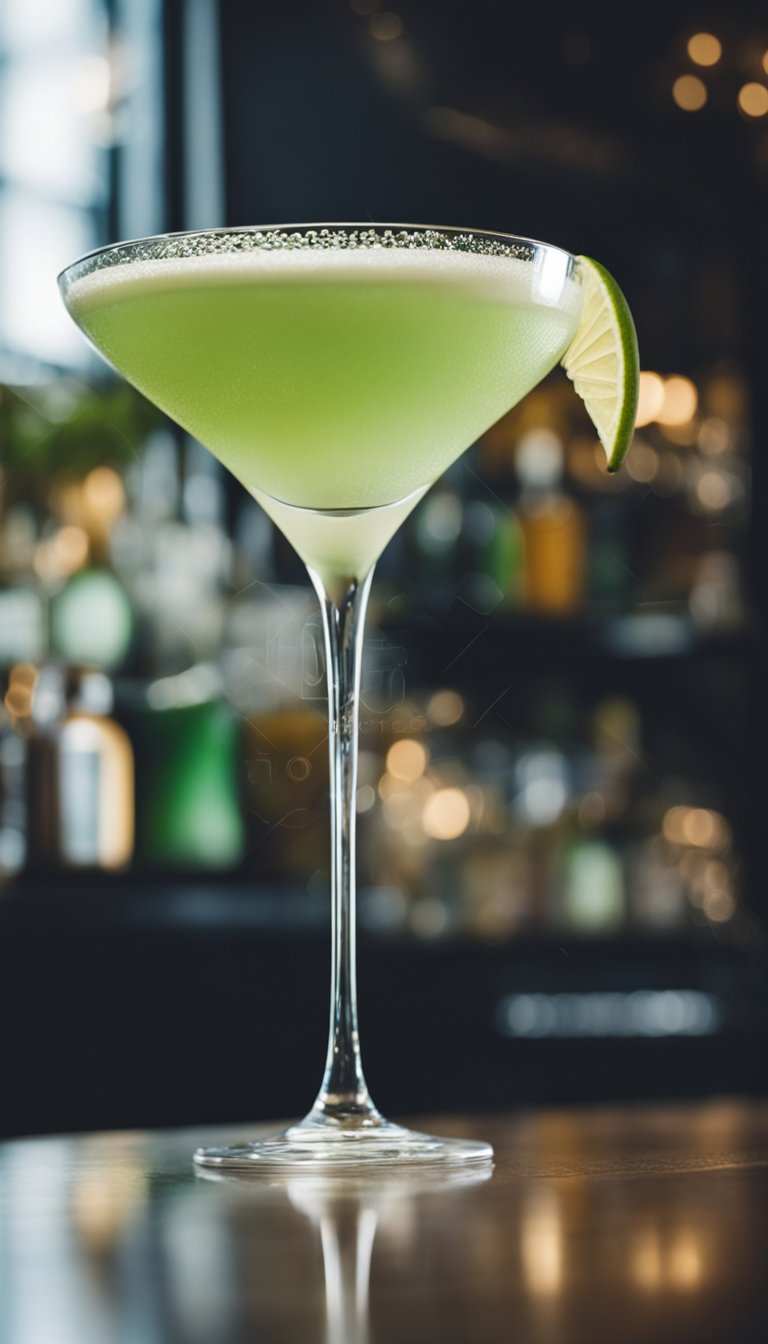
Utilizing Distribution Channels to Get Your Alcohol-Free Spirits to the Consumers
In our research into an exploration into the EU and UK market for alcohol-free spirits, we’ve explored market segmentation consumer preferences, and forming a compelling Unique Selling Proposition (USP). Now, we’re turning our attention to another vital aspect of success: distribution channels. What can you do to effectively get your alcohol-free drinks into the hands of consumers who are eager to purchase? Let’s dive in.
Understanding Distribution Dynamics
Prior to establishing your distribution plan It’s crucial to be aware of the nuances of the alcohol-free spirit market. Here are key insights into our current landscape of distribution:
Traditional Retail
Traditional retail channels, including supermarkets and liquor stores were historically the primary distribution channels for alcoholic beverages. However, the market has changed as consumers seek healthier options.
Online Retail
E-commerce has revolutionized the distribution of spirits that are alcohol-free. These platforms allow customers to browse a myriad of choices, making it a great avenue for brands that are just beginning to emerge.
Specialty Stores
Specialty stores that cater to health-conscious consumers or those who are looking for unique products have turned into important distribution partners. It is worth considering partnering with these retailers for access to special markets.
Bars and Restaurants
Bars and restaurants have a key role to play in introducing customers to new spirits that are alcohol-free. Partner with establishments in order to include your products in their menus.
Designing Your Distribution Strategy
Once you’ve got an understanding of the dynamics of distribution and the importance of distribution strategies, let’s devise a winning distribution strategy:
Multi-Channel Approach
Try a multi-channel method of distribution to reach a greater public. Combine traditional retail, ecommerce and specialty stores to expand the reach of your business.
Online Presence
Invest in a secure online presence. Create a user-friendly online store which allows shoppers to browse, shop, and discover more about products. Optimize your site to be search engine friendly (SEO) to improve online visibility.
E-Commerce Partnerships
Find partnerships with electronic commerce platforms, like Amazon or specialized alcohol-free spirit marketplaces. These platforms have a large audience who are eager to learn about new products.
Wholesale Partnerships
Get in touch with wholesalers or distributors specializing in alcohol-free beverages. They have established networks and can help you reach more retail outlets.
Direct-to-Consumer (DTC)
Consider a Direct-to-Consumer (DTC) model, where you market your spirit that is alcohol-free directly to consumers through your website. DTC will result in greater profits and more positive customer relationships.
Regulatory Compliance
In order to navigate the market for alcohol-free spirits, it requires compliance with the regulatory requirements. Check that your products are compliant with the legal requirements and get the proper permits and licenses to sell your product.
Consumer Education
The process of educating consumers about your products is crucial to ensuring a successful distribution. Consider the following strategies:
Informative Website
Create a website that offers details on the products you purchase cocktails, recipes for cocktails, and regularly asked the questions (FAQs). This information will help customers in making an informed decision.
Tasting Events
Participate in tastings at different distribution points, which allows consumers to taste your alcohol-free spirit. They provide hands-on learning and encourage brand loyalty.
Social Media
Utilize social media platforms to connect with customers and distribute material that informs them about the benefits and use of your products.
Presenting the Next Section: Maintaining Market Relevance
As we close this segment on distribution channels and distribution channels to stress that getting your alcohol-free spirits into the buyers’ pockets is only the beginning. In the next part we’ll look at strategies to keep market relevance as well as continuously adapting to evolving consumer needs. Be on the lookout for new insights into the latest innovations in products and staying in front of the competition.
Sustaining Success: Navigating the EU and the UK Alcohol-Free Spirit Market – Part 5.
Welcome to the final part of our extensive series on our comprehensive series on the EU and UK alcohol-free spirit market. This article concludes the series. we’ll go over the important aspects of maintaining market relevance and highlighting the main lessons from our exploration. So, let’s get started on this final stage of our exploration.
Staying Ahead through Innovation
As the alcohol-free spirit market grows being ahead of the trend is crucial. Here’s how to innovate so that you remain relevant to the market
New Product Development
Spend money on research and development to create new alcohol-free spirits that adapt to evolving consumer preferences. Create unique flavors along with ingredients and packaging to capture consumer attention.
Health and Wellness Focus
Emphasize the health and wellness aspects of your product. You should highlight the nutritional advantages, the natural substances, and how spirits without alcohol can be an integral part in a healthy and balanced lifestyle.
Sustainable Practices
Implement sustainable practices in production and packaging. Eco-friendly choices are a hit with environmentally conscious consumers. They can also set your company apart.
Branding and Marketing
Effective branding and marketing are the foundations for sustained achievement. Take a look at the following strategies:
Storytelling
Share your brand’s story through engaging content. Make sure to highlight the story, values and the reason for your alcohol-free spirits in order to make connections with your customers on a more intimate level.
Collaborations with Influencers
Partner with influencers in fitness, health or mixology fields. Their endorsement could increase your reach as well as increase the credibility of people you wish to target.
User-Generated Content
Encourage consumers to share their experiences with your products via social media. The content created by customers can generate a sense of belonging and authenticity of your brand.
Reacting to Trends in Consumer Behavior
Consumer trends are always changing. To stay relevant, monitor and respond to these developments:
Wellness and Health Trends
As health-consciousness increases, align your product offerings with current trends in health and wellness. Offer low-calorie, sugar-free, or alcohol-free functional spirits to be able to meet the demands of the consumer.
Cultural Celebrations
Make use of celebrations that celebrate culture and holidays. Create special cocktails or menus made for these occasions for seasonality to boost demand.
Review of Our Journey
In this article, we’ve examined through the murky waters of the EU and UK liquor-free market. Let’s recap the key takeaways from each article:
Article 1: Market Segmentation
Understanding your customer’s needs and segmenting your market is crucial to success. Recognize the specific niches within the alcohol-free spirit industry to ensure you can tailor your products efficiently.
Article 2. Creating a Remarkable USP
Crafting a Unique Selling Proposition (USP) helps differentiate your brand. Define what sets your alcohol-free spirits apart, be it flavour, ingredients, or sustainability.
Article 3: Distribution Channels
Effective distribution is key. Embrace a multi-channel approach, invest in e-commerce as well as consider partnerships to reach an even wider audience.
4. Regulatory Compliance and Consumer Education
Compliance with the law is a requirement. Make sure that consumers are informed about your products by providing informative websites, tastings, and through social media.
Article 5: Maintaining Success
Innovation brand, adaptation, and ingenuity remain the keys to success. Keep an eye on trends in the marketplace. developments, focus on health, and celebrate cultural moments.
Conclusion
In the highly competitive EU as well as the UK alcohol-free spirit markets, long-term success is dependent on constant improvement. From segments of the market to distribution channels, regulatory compliance, and innovation we’ve covered the crucial aspects to succeeding in this sector.
Keep in mind that success is not constant; it’s a continuous process that is constantly improving and adapting. By staying agile, consumer-focused and creative it is possible to navigate the alcohol-free spirit market with ease.
Thank you for being part of us to this exciting journey. We hope these insights empower you to make a better decision and stand out in this exciting market. This is to your continued success with alcohol-free spirit!
Leave a Reply