The alcohol-free spirit market in both the European Union (EU) and the United Kingdom (UK) is experiencing unprecedented growth. With more people seeking alternatives to traditional alcoholic beverages, the demand for alcohol-free spirits has grown. While this is a huge opportunity for businesses, it also brings forth a host of challenges that must be addressed to excel in this competitive landscape.
In this complete guide, we’ll look at the various challenges facing businesses operating within Europe and the EU as well as the UK alcohol-free spirits market. We’ll examine the regulatory hurdles, the competitive environment, evolving consumer expectations, and distribution challenges that could hinder your progress. By the end of this post, you’ll get a better understanding of these obstacles and be better well-equipped to handle them successfully.
II. The Regulatory Hurdles
A. EU Regulations
Introduction to EU Regulations on Alcohol-Free Spirits
In the EU Regulations for alcohol-free spirits are a bit ambiguous and stringent. These regulations were put in place to protect the integrity and safety of drinks and foods as well as alcohol substitutes. They regulate aspects like the labeling of ingredients along with health claims and maximum permitted levels of certain substances.
Insights on Compliance Issues, Implications for
If you are a business operating in the EU market, compliance with the rules is mandatory. A violation could result in significant penalties and harm to the image of your business. One of the biggest hurdles is staying on top of the constantly changing regulatory landscape, which could require periodic adjustments to the formulation of your product as well as the labeling.
B. UK Regulations
Overview of UK Regulations on Alcohol-Free Spirits
The UK has its own regulations regarding alcohol-free spirits. Since leaving the EU, it has the capacity to build its own regulatory framework. Companies operating on the UK market must be aware of these rules that may differ from EU standards in certain areas.
Unique Challenges in the Post-Brexit Era
Understanding the UK regulatory framework post-Brexit may be a challenge due to the necessity to change to new rules and standards. Staying informed and maintaining compliance is vital to ensure your products will continue to be sold in the UK market.
As we progress through this article, we will explore other critical challenges beyond regulatory obstacles. For the second section we’ll discuss the competitive landscape in detail and how it affects businesses operating in the spirit market that is alcohol-free.
Bypass the Middleman: Get Your Alcohol-Free Spirits Directly from the Source – Swedish Distillers!

How to navigate the EU and the UK Alcohol-Free Spirit Market Need Help Now!
II. Regulative Hurdles
On the EU and UK market for alcohol-free spirits, the regulatory hurdles create a big problem for businesses. Becoming aware and in compliance with the complexities of regulations is crucial to achieving success.
A. EU Regulations
Introduction to EU Regulations on Alcohol-Free Spirits
The European Union has established rigorous regulations to ensure the security and quality of food and beverages, such as alcohol-free spirits. These regulations cover a variety of aspects of product formulation as well as labeling and marketing.
Compliance Challenges and Implications
Achieving compliance with EU standards is essential to companies operating in this market. Not adhering to these standards can result in huge fines as well as reputational damage. It’s vital to stay up-to-date regarding the ever-changing regulatory landscape that may require regular modifications to the formulation of products as well as labeling.
B. UK Regulations
Overview of the UK regulations on alcohol-free spirits
Following the UK’s withdrawal from the EU, it has developed the rules for its own in relation to alcohol-free spirits. The rules may differ from EU regulations, and firms that operate in the UK need to be fully aware of the latest regulations.
Unique Herausforderungs in Post-Brexit Era
Navigating the UK regulatory framework following the Brexit vote presents new challenges. Incorporating new rules and standards is imperative in order to ensure that the products remain available on the UK market. Becoming informed and proactive with the compliance process is vital.
III. Competitive Landscape
The market for alcohol-free spirits in both the EU and UK has seen a dramatic increase in competition. Understanding the dynamic of this marketplace is crucial for any business looking to succeed.
A. Proliferation of Brands
The growth of alcohol-free Spirit Brands
The demand for alcohol free spirits has led to an explosion of brands joining the market. While this provides consumers with a variety of options, it also intensifies competition for businesses.
Standing Out in a Cultivated Market
To be successful, companies must differentiate themselves from their competition. This requires more than just providing top-quality products, but also creating distinct brand identities as well as efficient marketing strategies.
B. Pricing Pressures
Competitive Pricing Strategies
The price competition is intense in the alcohol-free spirit market. There are many consumers who are price-sensitive and business owners often use pricing strategies to get an edge.
Stabilizing Quality and Accessibility
Finding the perfect balance between offering affordable products and preserving quality is a challenge. Cutting costs too aggressively can impact the integrity of a product.
C. Innovation and Product Differentiation
Importance of Innovation
Innovation is a key driver of success in the market. Businesses that develop distinctive and appealing alcohol-free drinks will have an advantage.
Navigating Consumer Trends
Understanding and responding to shifting trends and consumer preferences for example, the demand for new flavors or sustainability, is crucial for staying relevant.
As we continue to study what challenges lie ahead for this section, we will continue to explore the challenges in EU and UK market for alcohol-free spirits, the next section will delve into the evolving demands of the consumer and how businesses can be able to adapt to keep up with them.
How to navigate the EU and UK Alcohol-Free Spirit Market Challenges Need Help Now!
III. The changing expectations of consumers
In the dynamic landscape of EU and UK alcohol-free spirit market consumer expectations change constantly. The ability to meet these expectations is the most important factor to the success of your business.
A. Flavor Variety and authenticity
A. The Quest for Unique Flavors
Consumers are today increasingly looking for innovative and unique flavor experiences. They’re looking for alcohol-free spirit that aren’t just a substitute to traditional alcoholic beverages but also an unforgettable sensory experience.
Problèmes for Businesses
Responding to the demand for varied and authentic flavor profiles poses challenges for businesses. Sourcing natural and high-quality ingredients and identifying the perfect flavor profile requires the time and knowledge.
B. Health and Wellness Trends
Growing Health Consciousness
They are increasingly conscious of their health that is causing a rise in demand for spirits that are alcohol-free and align with their health goals. They want products that are low in calories, free of sugar, and made from nutritious ingredients.
Balancing Health and Taste
Balance the taste and appeal of alcohol-free spirits and the health benefits can be difficult. Businesses should spend money on research and development to make products that are able to satisfy both elements.
C. Sustainability and ethical practices
The Rise of Sustainability
Sustainability is an essential concern to consumers today. They seek out companies that are eco-friendly From sourcing ingredients all the way to packaging.
Building Ethical Brands
Businesses are constantly under pressure to adopt ethical and sustainable practices. This does not only mean eco-friendly production but also transparency on the supply chain and sourcing ethics.
D. Convenience and Accessibility
Mobile Lifestyles
People lead hectic lives and want convenient options for tasting alcohol-free spirits. Items that are simple to transport, store, and mix are highly desired.
Meeting Accessibility Notification
Businesses must consider packaging serving sizes, packaging, and the ability to use their products to meet customer needs for ease of use.
IV. Strategies to meet the changing expectations of consumers Expectations
As expectations for consumers continue to evolve, businesses in the EU as well as the UK alcohol-free spirits market have to adapt to thrive. Here are some strategies to think about:
A. Innovation and Product Development
Continual Innovation
Make investments in research and development to develop unique and varied flavors that meet ever-changing tastes.
Health-conscious Formulations
Develop products that align with current trends in wellness and health that emphasize features like lower sugar levels and natural ingredients.
B. Sustainability and ethical practices
Environmental Responsibility
Use sustainable production, sourcing, and packaging practices to attune eco-conscious consumers.
Transparency as well as Ethics
Be clear about your commitment to ethical sourcing and supply chain practices to establish confidence in consumers.
C. Marketing and Branding
Affordable Storytelling
Create captivating brand stories that appeal to consumers’ cravings for unique flavours healthier choices, and sustainable practices.
Educational Campaigns
Help consumers understand the benefits and uses of alcohol-free spirits Helping them make informed choices.
In the following section, we’ll take a look at the importance of marketing and distribution strategies in dealing with the difficulties of the EU and UK alcohol-free spirit market.
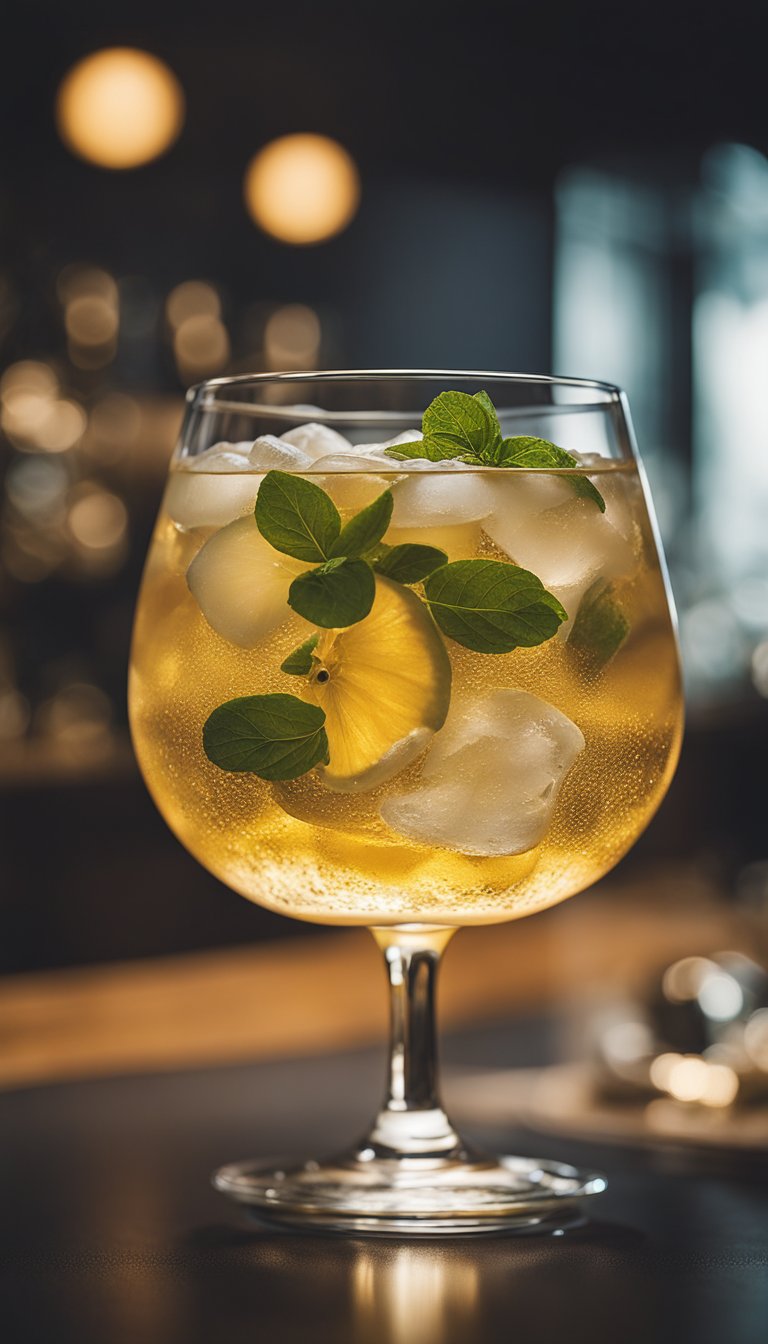
How to navigate the EU and UK Alcohol-Free Spirit Market Challenges: Urgent Insights for Success
IV. Strategies to meet changing consumer Expectations
As consumer expectations in and around the EU and UK alcohol-free spirits market remain in flux, businesses must implement effective strategies in order in order to remain competitive as well as meet these ever-changing demands. In this section we’ll look at practical strategies for navigating these issues successfully.
A. Innovation and Product Development
Continuous Innovation: Keeping Up with Flavor Trends
In the field of alcohol-free spirits, innovation is the word of the day. In order to meet consumer’s ever-changing demands for unique flavor profiles, businesses must invest in continuous studies and research. It is essential to experiment with a diverse range of natural ingredients plants, botanicals and herbs to develop unique flavors that are distinctive in a market.
A Pro Tip Work with mixologists, experts in flavor, and flavor for unique and exciting experience for your guests.
Balanced Taste and Health meeting Wellness Expectations
The increased attention given by consumers to fitness and wellness poses challenges and opportunities. While the production of delicious alcohol-free spirits is a must, it’s important to adhere to health-conscious trends. This means offering products that less calorific, free of sugar, as well as made from natural ingredients. Striking the right balance between healthy and taste is a delicate task but an essential one.
Pro Tips: Conduct test of taste and survey in order to refine the taste of your product and nutritional properties.
B. Sustainability and Ethical Practices
Environmental Responsibility Go Green to Market Appeal
Sustainability is no longer just a topic for the neo-liberal but is now a normal expectation. Consumers are increasingly choosing brands that are environmentally responsible. To be able to meet this requirement, companies should implement sustainable practices in all aspects of their production. This means that they should source ingredients sustainably while reducing waste as well as using eco-friendly packaging.
Pro Tip: Highlight sustainability initiatives on product packaging and marketing materials to entice environmentally conscious consumers.
Transparency. Ethics Building Trust Through Honesty
In today’s market, transparency and ethical practices are crucial. Consumers want to know more than only what’s in their alcohol-free spirits but also how these ingredients are sourced and if ethical practices are observed. To gain trust, firms need to communicate their commitments to ethical procurement, fair labor standards and open supply chains.
Pro Tips Share your stories and images of your sourcing and production processes on social networks and on your website to display your commitment towards transparency.
C. Marketing and Branding
Achieving Effective Storytelling by Crafting a compelling brand Narratives
A successful branding strategy in the alcohol-free spirit market depends on effective storytelling. Create a powerful brand narrative that resonates with consumers’ desires for unique flavors, healthy choices, and sustainable. Your brand’s story should go beyond than just words. It should reflect the essence of your brand’s essence and values.
Best Practice: Utilize multimedia content such as videos and podcasts to tell your company’s tale in a fun and engaging manner.
Educational Campaigns: Empowering Consumers Using Knowledge
Many consumers are unfamiliar with the idea that alcohol-free spirit is a good thing. As such, educational campaigns can play a crucial role in educating people about the benefits and usages of these products. Make sure to provide content that instructs consumers on how they can incorporate alcohol-free spirits into mocktails, cocktails as well as a range of recipes.
Pro Idea: Create a section on your website with cocktails, recipes, as well as usage guides that will assist consumers with the use of your products.
In the next segment we’ll discuss the role of marketing and distribution strategies in navigating the challenges that face that EU and UK alcohol-free spirit market.
Understanding the EU and the UK Alcohol-Free Spirit Market For Success: Strategies to Thrive
V. Conclusion: Charting a Course for the Future
In this complete series of how to navigate the challenges of the EU and UK spirit market that is alcohol-free, we’ve explored various aspects of this dynamic industry. From studying the market landscape to making compelling offerings for your products and strategies that are effective, we’ve covered every aspect. As we wrap up this article, let’s go over the most important lessons from each section, and then chart the direction for the coming years.
I. Decoding the Market Landscape
In the very first installment of this series, we explored how the market works. EU and UK alcohol-free spirit market. In this installment, we delved into the market’s expansion developments, trends, and drivers behind the demand for alcohol-free alternatives. We discovered that:
- The market for alcohol-free spirits is on a fast-growing trend, driven by health-conscious consumers and the desire for distinct flavor experiences.
- Understanding consumer preferences, market dynamics, as well as regulations is crucial for success in this industry.
II. Producing unique and attractive products
In the second part, we delved into the art of and technology of creating alcohol-free spirits that appeal to consumers. Important takeaways include:
- Continuous innovation, as well as a keen awareness of trending flavors is vital for staying on top of the game.
- Finding a balance between health and taste is a challenging but vital task in order to meet ever-changing consumer needs.
III. Sustainability and ethical practices
The third and final installment of our series, we stressed an importance to sustainability as well as ethical methods. We found that:
- Adopting sustainable practices, from source to packaging is not only beneficial to the planet but also attractive to eco-conscious buyers.
- Transparency, ethical sourcing and transparency build trust and resonate with customers who want to see responsible business practices.
IV. Strategies to satisfy changing consumer Expectations
The fourth chapter focused on strategies to meet the ever-changing expectations of the consumer. Some of the key insights were:
- Continuous innovation, product development, and alignment with trends in wellness are critical to success.
- Sustainable practices and ethical sourcing are essential to ensure long-term market appeal.
- The right storytelling strategies and education campaigns can empower consumers to become more engaged and help build brand loyalty.
V. Conclusion V. Conclusion: Charting a course for the Future
In the final installment of our series, we’ve reflected upon the wealth of data revealed during our exploration and analysis of EU and UK the alcohol-free spirits markets. It’s clear that this market presents numerous opportunities for expansion and growth. Businesses that can navigate the issues, come up with new solutions, and align with consumer expectations are set for a prosperous future.
When we end this series, keep in mind that the alcohol-free spirits market will continue to evolve. There will be new trends to emerge and consumer expectations will change and regulations could change. Staying informed, flexible, and responsive will be key to staying competitive in this dynamic sector.
In conclusion it doesn’t matter if you’re a startup wanting to venture into this market or a seasoned player seeking to expand its reach the tips and tricks in this series serve as an invaluable guide. In understanding the market’s dynamics, crafting unique products, embracing sustainable practices, and adjusting to consumer needs that you can navigate across the EU and UK liquor-free spirits markets with confidence.
We thank you for taking us on this journey through to the realm of spirit-free alcohol. We wish you luck and prosperity as you face the exciting opportunities and challenges in the future.
Leave a Reply