In the last few years the world of alcohol has witnessed a remarkable transformation. With more people focusing on their overall health and wellbeing, the demand of alcohol-free alternatives has been increasing. The United Kingdom, this trend has morphed into a spirited competition between alcohol-free spirits and traditional ones.
The Shift
Alcohol-free spirits that are commonly described as “non-alcoholic” as well as “alcohol-free” options they are gaining in popularity by those who are looking for a healthier, more mindful drinking experience. They are designed to bring out the essence and taste of traditional spirits without the alcohol content.
But what’s driving this transition towards traditional spirits? The answer is a combination of variables. Health-conscious people are becoming conscious of how the excessive consumption of alcohol on their wellbeing. This has resulted in an increase in the demand for alternatives that give you an enjoyable experience of drinking a classic cocktail without the drawbacks of alcohol.
The Alcohol-Free Spirit Phenomenon
The definition of Alcohol-Free Spirits
Alcohol-free spirits are produced with care, combining botanicals, spices, and herbs for a variety of flavorful and complex beverages. They are carefully distilled to get the essence of these components, resulting in a delicious taste that can rival traditional spirits.
All the components and the Process
Producing alcohol-free spirits is an intricate technique. Producers meticulously select botanicals herbs, and spices, often sourced from around the globe, to produce an appealing and distinct flavor profile. These ingredients are then blended with water and distilled, creating a concentrated beverage that conveys the essence of the selected elements.
The Rise of Popularity
In the UK the alcohol-free spirit market has been experiencing an exponential increase in popularity, thanks to a surge of innovation within the drink industry. Leading brands have launched various alcohol-free options, catering to different preferences and tastes. This makes it much easier users to make the transition from traditional spirits to their alcohol-free alternatives.
But why are people opting for alcohol-free spirits? It’s not only about health. They are a great surface for mixologists in creating exquisite alcohol-free cocktails. They’ve been recognized as a symbol of elegance and selection and are a perfect choice for people who wish to have an alcohol-free drink without the content.
In the next chapter this article, we’ll go deeper into the tradition of traditional spirits. We’ll look at their rich history and importance to the UK. We’ll also go over the most important differences between traditional and alcohol-free spirits in order to make an informed choice about the next time you drink.
Follow us as we take you on a an unforgettable journey through tradition of traditional spirits as well as Alcohol-free choices.
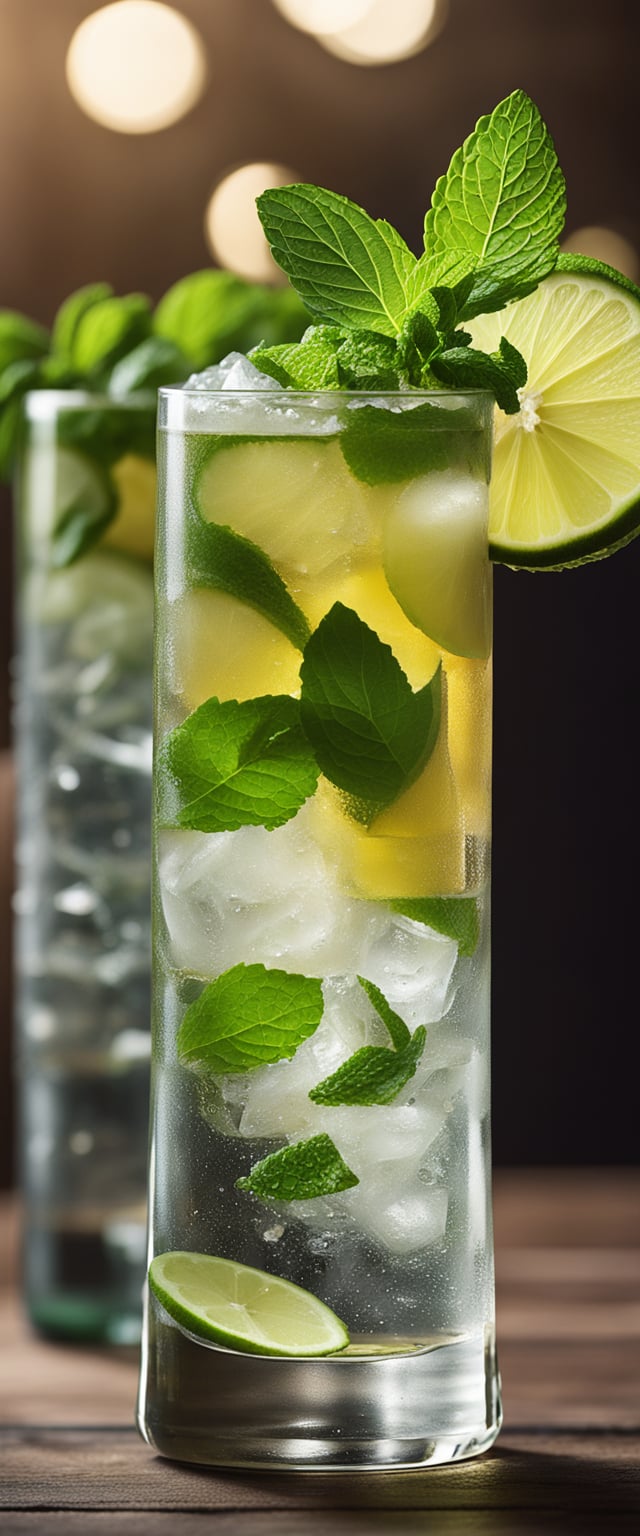
Traditional Spirits: A Glimpse to the country’s Liquid History
In the beautiful pubs, comfortable bars, and stylish cocktail lounges in the United Kingdom, traditional spirits are long considered a treasured part of our nation’s heritage and heritage. Whether sipped straight or mixed into classic cocktails time-honored liquors have a lengthy history that stretches back centuries.
Legacy of Traditional Spirits: The Legacy of Traditional Spirits
A Whiskey Tale
Some of the more famous and revered tradition-based spirits is whiskey. It’s also referred to as “whisky” within the UK. Scotch whisky specifically is gaining worldwide acclaim for its rich flavors and time-tested craftsmanship. The earliest traces of Scotch whisky date back to the mid 15th century, which makes it among the oldest distillations in the world.
Gin from Medizin to Mixology
Gin, a cherished traditional spirit, has a long background in the UK. Originally created for medicinal reasons and then gained huge popularity in the late 18th century when it became the base for the famous drink, the Gin and Tonic. The spirit with juniper in it has become the mainstay of mixology. It has a diverse array of flavorings that you can explore.
It is the Art of Distillation
The Distillation Process
Traditional spirits such as vodka, whiskey, gin and rum are made with a precise process known as distillation. This process involves heating fermented substance to create in vapor, before cooling it to allow the water back into liquid form. The final product is a concentrated alcoholic spirit that keeps the distinct taste of the components employed in the fermentation.
The Role of Aging
Aging is a key aspect of the production process for traditional spirits, especially whiskey. The spirit is typically aged in wooden barrels usually oak, for a number of years. It undergoes chemical changes, giving it distinct aromas, flavors and a smooth finish.
Tradition and Innovation meet
While traditional spirits still hold an exclusive place in the hearts of a lot of UK citizens, the drinking scene is changing. The rise of alcohol-free spirits has brought an entirely new dimension to the world of beverages, challenging the conventions regarding what a good spirit could be.
In the next segment we’ll explore some of the differences that exist between alcohol-free spirits as well as their traditional counterparts. We’ll discuss the different flavor profiles along with the variety, health, and factors that differentiate them. It doesn’t matter if you’re a lifetime lover of traditional spirits or a curious newbie, understanding these differences will allow you to make informed choices about the drink to enjoy when you’re out.
Join us for a journey through the intriguing intersection of tradition and new ideas in the world of spirits. In Section 3, we’ll dive into the intriguing the world of alcohol-free spirit within the UK.
Wholesale Excellence Direct from the Producer: Order Swedish Distillers’ Non-Alcoholic Spirits!
Accepting the Alcohol-Free Revolution: Spirits for a New Generation
In the evening, as sun set over the city of London and the peaceful countryside, there is a tidal shift is happening among spirits. Although traditional spirits such as whiskey and gin have long been the go-to drinks of this British drinks scene a fresh contender is forming, poised to alter the landscape: alcohol-free spirits.
A Sobering Shift in Perspective
Sobriety Movement Sobriety Movement
In recent years, the sobriety movement has gained momentum across the UK and elsewhere. Many people are now seeking alternatives for drinking alcohol, which permit them to enjoy the conviviality of social gatherings, without the consequences of alcohol. This cultural shift has helped pave ways for rise the popularity of non-alcoholic spirits.
It’s a Question of Health
The health-conscious consumer is also driving the demand for alternatives that are alcohol-free. A lot of people are worried about the adverse health effects of excessive alcohol consumption, including liver damage and a higher risk of certain diseases. Alcohol-free spirits can be a good way to enjoy the flavor and rituals of drinking without the health risks.
Unveiling the World of Alcohol-Free Spirits
Flavorful Alternatives
Alcohol-free spirits, also called “spirits alternative” and “non-alcoholic spirits,” are made to replicate the complex flavors of traditional spirits. No matter if you’re looking for the smokey whisky notes, subtle botanical flavors of gin or the delicious smoky whiskey, there’s an alcohol-free alternative to satisfy your taste.
Blends of Botanicals
Many alcohol-free spirits are created by blending a variety of spices, herbs, botanicals and even fruits. The ingredients carefully chosen are either macerated or dedistilled for extraction of their flavor that result in a liquid that is a reflection of traditional spirits.
Absolutely No Evidence, Complete Experience
One of the most compelling aspect of alcohol-free spirits their ability to deliver a full-bodied sensory experience without the effects of alcohol. It’s possible to experience the smell, taste, and even the slight burn of a properly-crafted alcohol-free drink, all at the same time maintaining your sobriety.
Mixing and Matching: A Variety of Alcohol-Free Spirits
Cocktail Creativity
One of my favorite aspects for alcohol-free spirit is its versatility in mixology. Much like alcohol-based spirits they can be used to craft several cocktails. From alcohol-free gin cocktails to virgin G&Ts, the possibilities are limitless.
Pairing Possibilities
Alcohol-free spirits pair well with mixers of various types, allowing you to make stylish and refreshing drinks. It doesn’t matter whether you prefer soda, tonic water, or juices of fresh fruits there’s a spirit that is alcohol-free to satisfy your taste and taste buds.
What’s the Future of Drinking
When we open our eyes to the exciting new world of spirits that are alcohol free, it’s apparent that they’re more than simply a passing trend but fundamentally changing the way we think about drinking. Whether you’re choosing sobriety, prioritizing health, or just trying new flavors the alcohol-free spirit offers an all-inclusive and exciting drinking experience.
In the next part we’ll examine how alcohol-free spirits stack up against their counterparts from the past. In this section, we’ll focus on the key distinctions in flavor, ingredients and consumption, assisting you make informed decisions regarding the type of spirit you’d like to drink.
Join us as we embark upon a sensory journey that bridges the gap between tradition and new ideas. In Section 4 We’ll look at alcohol-free spirits to traditional spirits, highlighting their distinct characteristics and benefits.
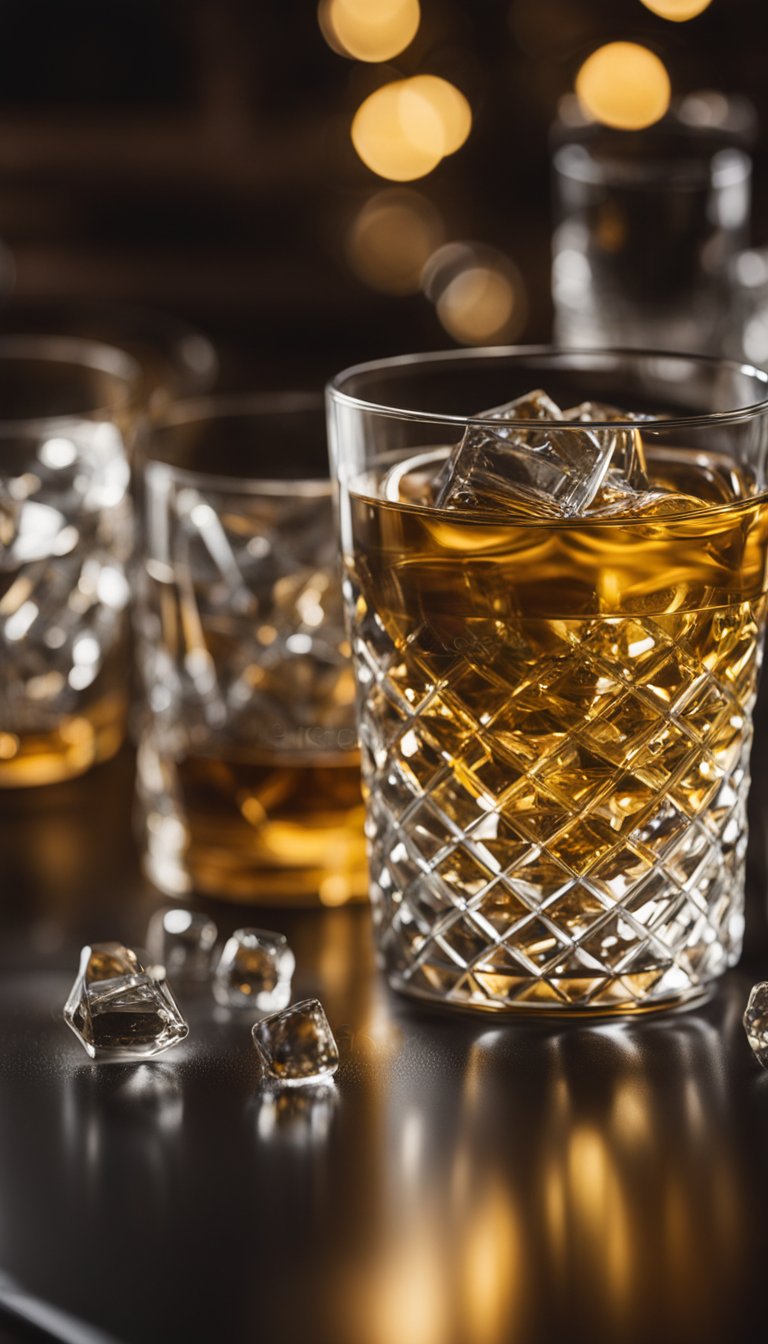
A Taste Showdown A Taste Showdown: Alcohol-Free Spirits vs. traditional Spirits
In the ever-evolving world drinks, a fascinating battle is brewing – alcohol-free spirits in comparison to. traditional spirits. As consumers search for alternatives to traditional alcohol drinks, alcohol-free spirits have emerged as a worthy option. In this article we’ll discuss the key distinctions between the two categories and explore flavor profiles that are based on ingredients and the whole drinking process.
Flavor: A Symphony of Tastes
Alcohol-Free Spirits
When it comes to taste, alcohol-free spirits are created to amaze. They feature many different profiles which cater to a variety of preferences. You’ll see alcohol-free options that mimic the rich, smoky flavors in whiskey. They also mimic the botanical complexity of gin, or the sweet, caramel undertones of Rum.
Bold Botanicals
Many alcohol-free spirits are based on botanical ingredients such as coriander, juniper, as well as citrus peels to create their unique flavors. These ingredients are carefully selected and distilled or macerated for a unique taste profile and ensure that every sip is a pleasure.
Traditional Spirits
A long-standing tradition of traditional spirit has ruled top of the line in terms of flavor. Whiskey, vodka, gin Rum, whisky, and other classics have firmly established themselves as an essential part of mixology. The flavors they produce are the result of intricate process of distillation, aging in barrels and a meticulous choosing of ingredients.
Aged Elegance
Traditional spirits generally benefit from ageing in wooden barrels giving nuanced tastes. Whiskey in particular has its distinctive flavor due to that interaction of spirit with the wood. The process of aging leads to the development of distinctive flavors that may include aromas of caramel, vanilla, and oak.
Ingredients: Crafting Complexity
Alcohol-Free Spirits
Crafting alcohol-free spirits is an art that requires botanical expertise. Producers and distillers choose the right blend of botanicals and spices, herbs, and fruits to create an enticing and balanced liquid. The ingredients are transformed using a variety of methods so that they can extract their essence, all without the use of alcohol.
Traditional Spirits
Traditional spirits have a well-defined list of ingredients. For example, whiskey is primarily composed of fermented grain mash The main ingredient in gin is Juniper. The essence of traditional distillation is in the distillation process. In this, alcohol is the most important ingredient.
Consumption: A Sobering Experience
Alcohol-Free Spirits
One of many notable advantages of alcohol-free spirits is their ability to offer a complete sensory experience, without the negative effects of alcohol. You can enjoy the smell tasting, the flavour, and the mild burn of a crafty alcohol-free beverage, all at the same time maintaining your sobriety. This makes them a compelling choice for people who want to experience the pleasure of drinking alcohol without the risks of intoxication.
Traditional Spirits
Traditional spirits, as the name suggests, are alcoholic. Although they come with a wide and varied flavour spectrum However, they also have the consequences of drinking alcohol, which can include impaired, impaired, and the possibility of health hazards.
An Evolutionary shift in drinking habits
As we compare alcohol-free spirits to traditional counterparts, it is apparent that each category has its unique advantages and features. Alcohol-free spirits offer a safe and vibrant drinking experience catering to the preferences people who are looking for sobriety or value their health or simply enjoy new flavors.
In the coming sections We’ll go over the practicalities when incorporating alcohol-free liquors in your everyday life. From creating delightful cocktails to drinking them as an individual sipper, we’ll uncover the versatility and creativity they bring to drinks.
Now that we’ve explored the flavor, ingredient, and alcohol-free spirit consumption in comparison to. regular spirits, we’ll continue to Section 5. We’ll provide you with useful tips and recipes for enjoying alcohol-free spirits in many ways.
The art of enjoying Spirits with no alcohol Spirits
We’re pleased to present the conclusion of our five-part series on spirits that are alcohol-free as opposed to. conventional spirits. In the previous segments we’ve examined the subtleties regarding flavor, ingredients and the overall drinking experience for both categories. Now, in Section 5, we’ll embark in a search to find the practical and enjoyable aspects to incorporating spirits without alcohol in the daily routine.
The art of crafting craft Cocktails The World of Possibilities
The Art of Crafting the Perfect Mocktail
One of my favorite things about liquors that are alcohol-free is the ability to mix in a variety of ways. Whether you’re hosting a gathering or simply relaxing after the long day, you could use alcohol-free spirits the base for an array of delightful mocktails. Here are a few ideas to get you in the right direction:
-
Citrus Bliss: Mix alcohol-free gin, an elderflower syrup, fresh lime juice, and a splash of soda water for an energizing and refreshing drink.
-
Minty Elegance: Mix alcohol-free rum with mint leaves that have been muddled together with lime juice and the addition of simple syrup to create a mock mojito, which is full with flavor.
-
Berry Breeze: Blend alcohol-free vodka with mixed fruit, cranberry juice and a hint of agave nectar for an intense and fruity cocktail.
Contemporary Cocktails that elevate Classic Cocktails
You don’t need to compromise on classic cocktails if you go with spirits that are alcohol-free. If you’re creative, you can create your favorite cocktails using a non-alcoholic spin:
-
Virgin Martini: Swap traditional gin or vodka with alcohol-free gin, add some drops of vermouth and garnish with a lemon twist or olive for a sophisticated mock martini.
-
A Nojito The alcohol-free mojito substitutes rum with alcohol-free rum that results in a crisp and refreshing take on the original.
Sipping in Style: Beautiful and on the rocks
Alcohol-free spirits aren’t only meant to be mixed; they’re also designed for drinking. Drink them on ice or take them in a glass, just as you do with traditional spirits. Here are some popular alternatives to enjoy alcohol-free spirits:
-
Alcohol-Free Whiskey: Sip slowly and savor the intricate flavors reminiscent of traditional whiskey, without the alcohol.
-
Gin Options: You can enjoy the botanical complexity of alcohol-free gin by sipping it in a glass or on an ice cube, garnished with most cherished botanicals.
-
Rum Substitutes: Enjoy the rich and sweet flavours of alcohol-free rum. It can be sipped on its own or used as a base to make tropical-themed mocktails.
Frequently Asked Questions about Alcohol-Free Spirits
Q1: Can I mix spirits that are alcohol-free into cocktails?
Absolutely! Mixing alcohol-free spirits with traditional spirits can result in unique flavor profiles that can reduce the alcohol content in your cocktail.
Q2 Can alcohol-free spirits be used for people who are in recovery?
Yes, alcohol-free spirits are great for people in recovery, as they give the flavor and experience of spirits but with no alcohol.
Q3 Can alcohol-free spirits be lower in calories than traditional spirits?
In general, alcohol-free spirits tend to be lower in calories relative to their alcoholic counterparts. However the exact amount of calories will vary according to the brand and type or alcohol-free type of spirits.
Conclusion The Future of Alcohol-Free Spirits is waiting to be discovered.
In this comprehensive series we’ve taken a look at the fascinating world of alcohol-free spirits. We’ve compared the traditional spirits terms of flavor, components in use, and use. It’s apparent that alcohol-free spirits are not just an idea – they’re an innovative and inclusive approach to drinking.
If you decide to drink alcohol-free spirits for health reasons or as part of the sober lifestyle or just to enhance your choices of beverages and options, they are a wealth of options. From making sophisticated mocktails to having them in a glass or on the rocks, the decision is yours.
If you are embarking on a journey to explore alcohol-free spirits make sure you enjoy the tastes, explore mixing techniques, and revel in the enjoyment of alcohol-free drinking. We wish you a lively and expansive world of drinks!
To go back to any of the sections of this series or dive deeper into topics that are discussed, simply click on the hyperlinks below:
-
Section 1: The Essentials of Alcohol-Free Spirits
-
Section 2: Crafting Alcohol-Free Spirits
-
Section 3: The Rise of Alcohol-Free Spirit Brands
-
Section 4: Flavorful Experiences: Tasting Alcohol-Free Spirits
We thank you for taking part on this exploration of spirits without alcohol, and we are hoping that you will find this series enlightening and inspiring. As you explore the realm of alcohol-free beverages, may you discover a world of taste, spirit, and joy.
Leave a Reply