Recently, the European Union (EU) and the United Kingdom (UK) have witnessed an astonishing increase in the demand for vodka without alcohol. This exciting trend is transforming the world of drinks, as more and more consumers are opting to purchase alcohol-free alternatives while still maintaining what they value most in their spirits. In this exhaustive exploration we’ll take a deeper dive into more about non-alcoholic vodka, understanding the reasons behind its reasons for the huge rise in popularity.
What exactly is Non-Alcoholic Voldka?
Non-alcoholic vodka, which is commonly known as “alcohol-free vodka” or “spirit alternative,” is a beverage that is designed to replicate the taste and aroma of traditional vodka, but without the alcohol content. It’s made using a mixture of botanicals, herbs, along with other flavouring ingredients that closely match the qualities of traditional vodka. It’s something that is akin to the familiar vodka experience but without the intoxicating effects.
The Attraction of Non-Alcoholic Vodka
The surge in interest in non-alcoholic vodka is due in a variety of ways. For one, the health and health trends that are currently sweeping the EU and UK have led consumers to be more aware when it comes to drinks. Non-alcoholic vodka is a perfect fit with these trends, allowing consumers to indulge in the flavor of vodka without the negative health implications that come with drinking alcohol.
Furthermore, the younger age groups comprising Millennials and Generation Z, are driving this change. They’re more aware of their health and increasingly opting for alcohol-free alternatives. The result is that non-alcoholic vodka has become the preferred option for large segments of the population.
Recent market statistics support this pattern, with an impressive increase in retail sales of non-alcoholic liquors, such as vodka alternatives. Customers are constantly looking for these drinks, both in physical stores and on the internet, because they want to find satisfying alternatives to traditional alcoholic beverages.
In the next section, as we continue our research further, we’ll explore what is driving the development of non-alcoholic vodka in the EU and UK. In the following section we’ll explore the crucial role played by health and wellness trends in the rising popularity of this distinctive alternative spirit.
The Appeal of Non-Alcoholic Vodka
The appeal of non-alcoholic vodka is multifaceted and is well-received by consumers that are becoming more health-conscious and aware of their drinking consumption habits. Let’s take a closer review of the reasons why this trend is becoming popular.
The latest trends in health and wellness
The movement towards health and wellness has seen a significant increase in recent years. The public is becoming more aware about the consequences of their choices in the way they eat as well as the drinks they consume. This has resulted in changes in how they choose to consume food as more and more people seek alternatives that allow them to taste the foods they love without compromising their well-being.
Non-alcoholic vodka perfectly aligns with this health-conscious mindset. It is a great option for those who would like to drink vodka cocktails, without the harmful harms that alcohol has on your health. This trend has many different types of consumers whether fitness-minded people looking to stay active and those seeking to be more mindful of their choices for health.
Statistics and Data
Recent market surveys and surveys in markets across the EU and UK have revealed the growing interest in non-alcoholic spirits. Consumers aren’t just looking for these products, but are actively working to incorporate them into their lifestyles. Statisticians show an increase in the consumption and sales of non-alcoholic vodka and other spirit alternatives.
In the coming section we’ll examine how shifting consumer tastes, especially in younger generations, contribute to the rise of non-alcoholic spirits in the market.
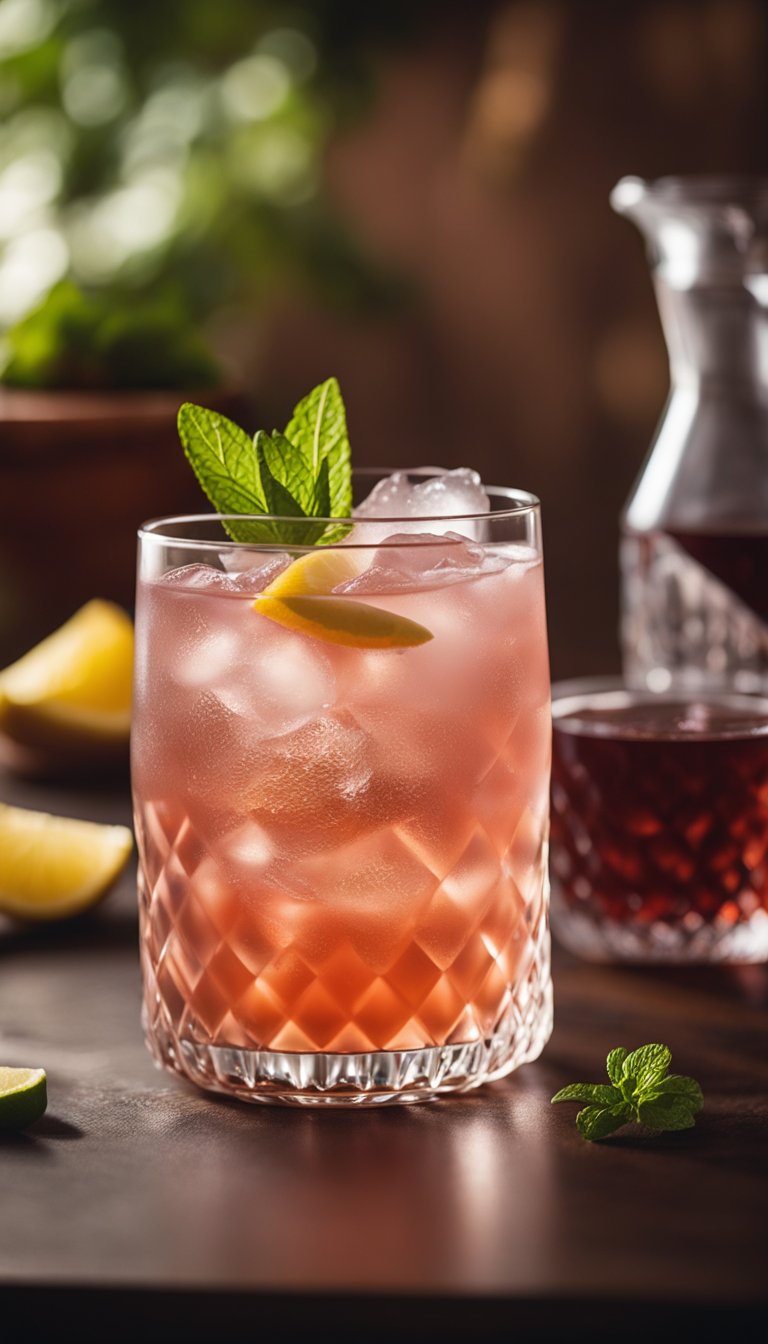
Non-Alcoholic Vodka is a Game Changer for Health-Conscious Consumers
In the previous section we looked into the world of non-alcoholic whiskey, delving into what it is and why it’s rapidly gaining popularity in it’s home countries of the European Union (EU) and the United Kingdom (UK). As we continue to explore the nuances of this intriguing trend we’ll now shift our focus at the factors that drive the increase in non-alcoholic vodka sales throughout these countries. Particularly, we’ll consider the key role played by wellness and health trends with the emergence of this distinctive spirit substitute.
Revolution in Health and Wellness Health and Wellness Revolution
The rise of non-alcoholic vodka on the EU and UK can be largely attributed to the wellness and health revolution that’s spreading across the drink industry. The majority of consumers, especially Millennials and Generation Z, are increasingly concerned about their health and making mindful choices regarding their beverages.
A Healthier Alternative
Non-alcoholic vodka can be a convincing alternative for people who want to taste the delicious flavors of vodka, without the harmful side effects of alcohol consumption. This perfectly aligns with overall trend of health and wellness that have people looking for alternatives that let them enjoy their drinks without compromising their overall health.
Sports Enthusiasts and Active Lifestyles
For those who love fitness and committed to living an active lifestyle non-alcoholic vodka is a game changer. It provides the necessary for a drink to complement their healthy lifestyles. If it’s a post-workout party or refreshing drink for the wellness retreat, non-alcoholic vodka is the ideal choice.
Wellness-Driven Consumers
Wellness-focused consumers are actively incorporating non-alcoholic spirits in their daily diets. They see it as an option that is beneficial to their overall health and supports their goals for well-being. The absence of alcohol makes it safer and more attractive option for those looking to enjoy the experience of drinking vodka cocktails.
Market Statistics Reconfirm the Trend
The market data for both the EU and UK confirms the growing demand for non-alcoholic spirits, like vodka replacements. Statistics show a consistent rise in sales as well as consumption of these products. These numbers support the notion that wellness and health are significant driving forces behind the rising popularity of non-alcoholic spirits.
In the following section, we’ll examine the shifting preferences of customers particularly the younger generations as well as how these preferences contribute to the transformation of the market. Understanding these changes is essential to fully comprehending the bigger implications of this trend.
The changing landscape of consumer preferences
In recent decades, there’s been an evident shift in consumers’ preferences, notably among younger generations. Millennials are and Generation Z are at the front of this evolution which is redefining what it means to be a drinker.
Mindful Consumption
The younger generation of consumers are more conscientious about their alcohol consumption. Many have experienced the consequences on their drinking habits from older peers and are determined to avoid the same mistakes. So, they’re actively seeking alcohol-free alternatives that enable them to attend parties without the negative effects of alcohol.
The Experience Economy
Another major shift is the emerging of the “experience marketplace.” Younger generations prioritize experiences over possessions. According to them, going out and having a blast doesn’t necessarily require alcohol. Instead, they’re looking for new experiences and non-alcoholic vodka fits right into the story.
The Rise of Mocktails
Cocktails that are not alcoholic, or mocktails are now gaining immense traction among young consumers. These elegant drinks, which are alcohol-free, are not just an alternative for traditional cocktails; they are viewed as a distinctive and enjoyable experience all in their own individuality.
What’s Next?
As we’ve seen recent trends in health and wellness and evolving consumer preferences are driving the growth of non-alcoholic vodka across the EU as well as in the UK. In the next part we’ll look at the economic consequences of this new trend, and the impact it has on the beverage industry and the potential for growth and innovation.
Bulk Purchasing, Direct Savings: Get Your Alcohol-Free Spirits from Swedish Distillers!
The Economic Impact of Vodka that isn’t Alcoholic A booming market
In our trek through the world of non-alcoholic spirits, we’ve investigated the beginnings of this fascinating trend, and also discovered the significance of health and wellness in its rise on markets like the EU as well as UK markets. Now, in the third installment in our series, we take a look at the commercial implications of the non-alcoholic vodka phenomenon.
The Market is on the Rise
The market for non-alcoholic vodka for the EU and UK is far from being an isolated trend. It’s a growing segment of the market that is attracting the attention of both industry and consumers. Let’s take a closer examine how this particular market affects the economy.
Surging Sales
The sales of non-alcoholic vodka have been steadily rising to show a healthy and growing market. This is not a fleeting trend but rather a constant consumption pattern that reflects consumer’s changing preferences. The economic impact of this growth is huge, and contributes to the overall revenue for the industry of spirits.
Expansion of Consumer Base
Non-alcoholic vodka has widened the appeal of spirits to consumers. It appeals not just to those who choose to stay away from alcohol but also consumers seeking a diverse assortment of options. This growth of the consumer base has resulted in an increase in market size and, consequently it has a positive economic impact.
Investment and Innovation
The rise in popularity of non-alcoholic vodka is causing organizations to increase their investment in research and. They’re striving to create innovative items that cater to sophisticated tastes of consumers. This investment in innovation not just enhances the quality of their products, but also spurs expansion in the economy of the beverage industry.
Employment Opportunities
As the market grows also the demand for skilled labour in various industries. From distribution and production to sales and marketing the rising demand for non-alcoholic spirits creates opportunities for employment and boosts job growth.
Ethical Considerations
Non-alcoholic vodka production typically has lesser carbon footprint compared to traditional vodka production that is, which includes fermentation and distillation. This aligns with the growing demand for sustainability of the environment and makes non-alcoholic vodka an attractive choice for environmentally conscious consumers.
What’s ahead
As we’ve learned, the economic impact of non-alcoholic vodka on the EU and UK is extensive and multifaceted. The market is growing with sales exploding, and it’s creating employment opportunities while also meeting sustainability goals. In the next segment we’ll investigate how the trend towards non-alcoholic vodka is driving innovation as well as what customers can anticipate in terms of product variety and quality.

Innovative Ideas in Non-Alcoholic Vodka: What’s on the Horizon
In our exploration of the non-alcoholic vodka market, we’ve examined its history as well as examined the impact of health and wellness trends, and scrutinized its economic consequences. This is the fourth segment of our series we explore the world of new ideas and our future plans are for this exciting area of industry.
Making Innovative Alternatives
One of the most impressive aspects of the non-alcoholic trend in vodka is the continuous pursuit of making unique alternatives to traditional alcohol-based spirits. Here, we delve into the world of innovations that are reshaping the non-alcoholic vodka landscape.
Advanced Distillation Techniques
Master distillers are looking at advanced distillation techniques that allow them to make spirits that are non-alcoholic with complex aromas and flavors. These methods require the removal of alcohol, while keeping elements of ingredients and grains utilized in traditional vodka production.
Flavor Diversity
Non-alcoholic vodka has no longer only a substitute for the flavor typical vodka. It’s now a whole category of its own featuring flavors that go far beyond the traditional vodka profile. Expect a wide range of options, ranging from fruity infusions, to herbaceous blends.
Transparency and Authenticity
They are seeking more transparency and authenticity in their drinks. Innovators in the non-alcoholic vodka sector are responding by offering specific information on sourcing processes, production methods and ingredients, to make sure consumers know exactly what they’re sipping.
Sustainable Practices
The eco-conscious movement has entered the spirit industry, Non-alcoholic vodka producers are at the forefront of this trend. Sustainable practices, such as choosing organic ingredients and utilizing sustainable packaging, are now becoming commonplace in this area.
Responding to Consumer Demands
Innovation in the non-alcoholic vodka market isn’t solely motivated by the desire for new ideas. It’s a fundamental part of meeting the demands of a growing population that want to have better choices for their health, taste preferences, and ethical beliefs.
Health and Wellness
Consumers are increasingly health-conscious, and this is reflected in the choices they make in their drinks. Non-alcoholic vodka is a great choice, as it has a low calorie count and lack of alcohol, aligns perfectly with the health and wellness movement.
Lifestyle Choices
With more and more people embracing an alcohol-free, sober life the non-alcoholic spirit of vodka makes an appealing option. It’s suitable for designated drivers and pregnant women or anyone wanting to have drinks without the alcohol, non-alcoholic vodka is suited to the diverse needs of people.
Social Responsibility
The responsible consumption of alcohol is an increasing issue across the globe. Non-alcoholic vodka is a tangible example of social responsibility offering a solution that permits people to be a part of gatherings with no negative adverse effects of alcohol.
What Lies Beyond
The next chapter of our series, we’ll investigate the impact of nonalcoholic vodka on consumers’ choices and the beverage industry as whole. We’ll delve deeper into the changing preferences of consumers and what they’re doing to influence the market.
“The future of Non-Alcoholic Spirits: A Five-Part Journey
In this five-part series, we’ve taken a trip through the world of non-alcoholic spirits, with a particular focused on the fascinating field that is non-alcoholic vodka. From its ancient beginnings to the revolutionary future, we’ve explored various facets of this rapidly growing industry. In the final part of this series it’s time to reflect on our journey and consider the future of non-alcoholic spirits.
Part 1: A Glimpse into the Past
In the first part in our series we delved into the history of non-alcoholic spirit and their long-standing origins. We discovered that the concept the idea of non-alcoholic alternatives to conventional spirits is not so new as it may seem. For medicinal purposes or simply as a beverage choice Non-alcoholic spirits have always been in use for centuries.
Part 2 Part 2: Health and Wellness Trends
In the final installment, we examined the ways in which health and lifestyle trends have changed the beverage industry, with the rise in non-alcoholic alcohol vodka. We also explored the shifting perceptions toward alcohol, the need for healthier alternatives, and the impact of these changes on the choices of consumers.
Part 3: Economic Implications
The trip went on with an in-depth look at the economic implications of the market for non-alcoholic spirits. We examined the driving factors behind its growth, such as the growing consumer base and the massive investment being poured into this sector. We also analyzed the possible problems and opportunities ahead.
Part 4: Innovative Concepts in Non-Alcoholic Vodka
The fourth segment of our series delves into the world of innovation in non-alcoholic booze production. We explored advanced distillation techniques, the wide range of flavors, transparency in production, and sustainable practices that are creating the future of this industry.
Fifth Part: What Lies Beyond
In this chapter, we look at the future of non-alcoholic spirits. As this market continues to evolve various key trends and developments are likely to influence its course.
Changes in Consumer Preferences
Consumers are becoming more discerning and mindful of their health. The demand for non-alcoholic beverages that are in line with their preferences will likely to rise. Look out for wider range of flavours and profiles catering to diverse tastes.
Environmental and ethical concerns
Sustainability and ethically sourced products are no longer an option within the beverage industry. Non-alcoholic spirits that adhere to these values are expected to grow, and consumers will increasingly favor products with these values in mind.
Expanding Market Reach
The market for non-alcoholic spirits will continue to expand beyond narrow audiences. As more people look for alternatives to traditional alcoholic beverages due to various reasons, this market will expand to accommodate larger segments of the population.
A Continuous Journey
The exploration of non-alcoholic spirit has been just a glimpse into a fast-growing market. In the final moments of this particular series, it’s clear that this adventure isn’t finished. Non-alcoholic spirit’s future offers fascinating possibilities, and we’ll be around to explore these possibilities.
Conclusion
A world filled with non-alcoholic spirit, especially alcohol-free vodka, is undergoing a renaissance driven by shifting consumers’ preferences, ingenuous practices, and ethical considerations. As we come to the end of this five-part series, we’re reminded that the process of redefining this industry is never ending, and the next chapter is brimming with potential. It doesn’t matter if you’re an avid consumer or a passionate campaigner for the industry, stay tuned for the incredible developments to come in the world of non-alcoholic spirits.
Leave a Reply